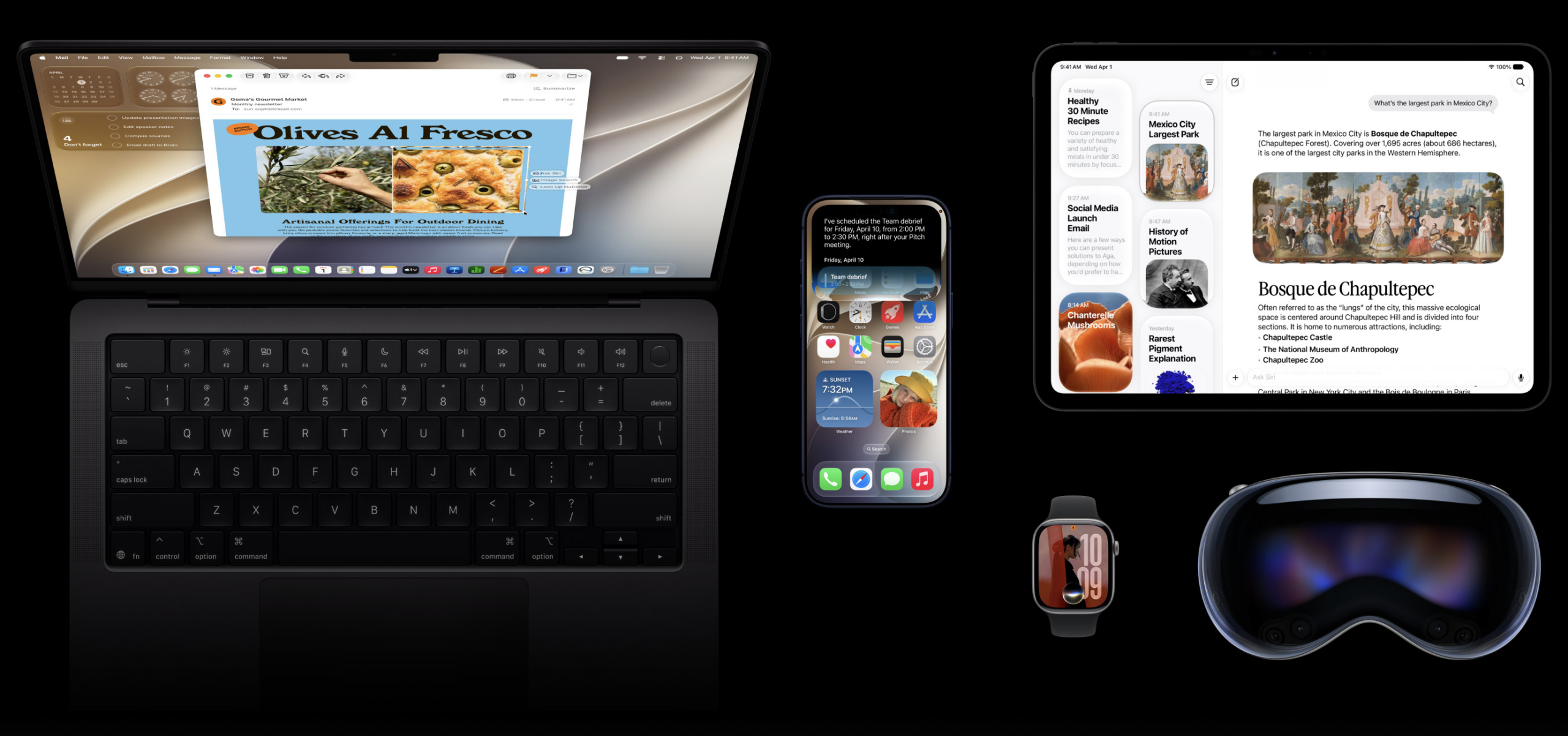
It’s the update we really, genuinely have needed for a long time.
Well, it happened. WWDC 2026 has come and gone, and now that the dust has settled I wanted to round up everything Apple announced and, as usual, give you my entirely unsolicited thoughts on all of it.
If you read my last post ahead of this event, you’ll know I was cautiously optimistic. And I think that cautious optimism was largely warranted.
A Refinement Year. And I Mean That as a Compliment.
Let’s address something upfront, because I’ve seen the hot takes flooding my feeds since the keynote: yes, this WWDC felt a little quieter than usual. There weren’t many truly bombshell, nobody-saw-this-coming announcements. If any. There was nothing really worth screaming about. And I think that’s exactly what we needed.
We have had years of Apple piling new features on top of existing features, introducing new design languages on top of half-finished ones, and promising AI capabilities that were frankly not ready yet. At some point, you have to stop building upwards and go back and check the foundations. That’s what this year felt like to me. A year dedicated almost entirely to fixing things rather than announcing shiny new things to distract us from the things that still needed fixing. That’s ultimately what most of us asked for, and what most of us wanted. I’ll take a stable, polished, thoughtfully refined operating system over a feature dump any day of the week, particularly when these devices are being used as our primary work and communication machines.
Much like Mac OS X Snow Leopard back in 2009, Apple leaned into the performance angle with macOS Golden Gate focused on dozens of underlying improvements, quicker AirDrop transfers, faster network file browsing, improved syncing in Messages and better Spotlight search. Snow Leopard remains one of the most beloved Mac OS releases to this day. If macOS Golden Gate earns a fraction of that reputation, Apple will have done its job well.
Liquid Glass Gets a Slider
Apple is changing the default look of Liquid Glass and adding an opacity slider, so you can decide how transparent you want things to look. Genuinely, this is a great addition and the right move. People who found iOS 26 visually overwhelming now have a way to tone it back, and I think that appeasement was necessary to stop people from abandoning the design language entirely.
But here’s my personal request, and I suspect some of you will relate to this: I want the slider to go all the way. I want to be able to dial it back up to the version of Liquid Glass that Apple showed us at WWDC 2025. The original reveal. That beautiful, clear, genuinely glass-like aesthetic that looked like Apple had bottled light and poured it into a UI. It was stunning. It looked like nothing else on any platform. And then, understandably but frustratingly, they walked it back as development progressed and user feedback rolled in. I get why. Readability genuinely suffered in some areas. But if the slider exists, why not let me slide it all the way back to that original vision? Let the people who love it live in it. Some of us want the full glass experience.
I genuinely miss how striking it looked. The refinement was necessary, sure, but I hope Apple gives enthusiasts the option to go back to that first version rather than just offering a middle ground between then and now. But then, I am a full-blown Apple glazer who absolutely loves a “form over function” vibe here and there. Some of us just want to watch the world burn in Liquid Glass pleasure.
Siri AI
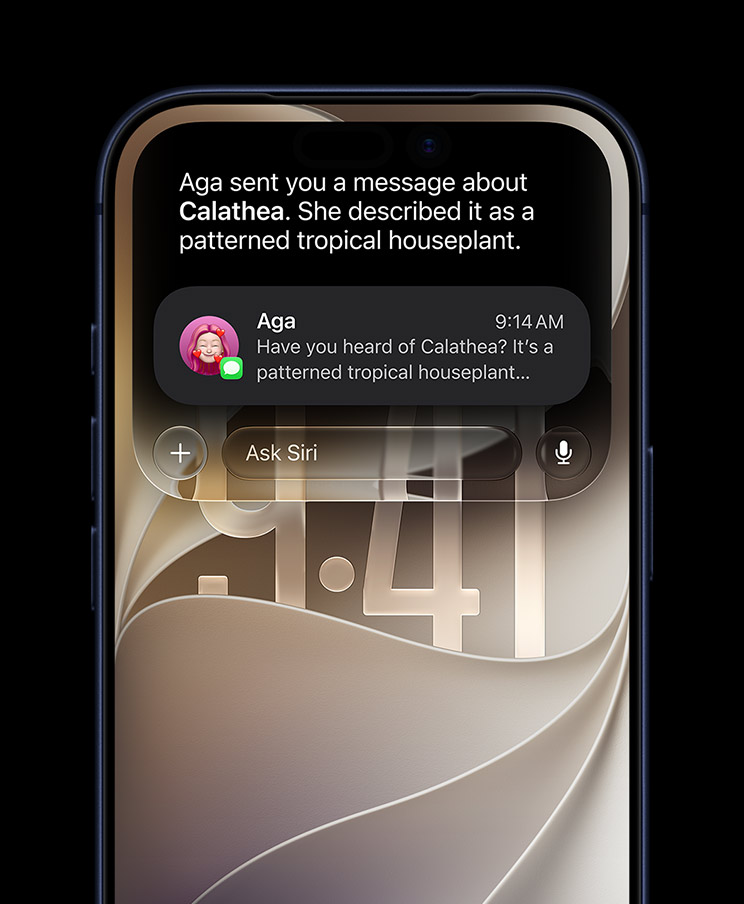
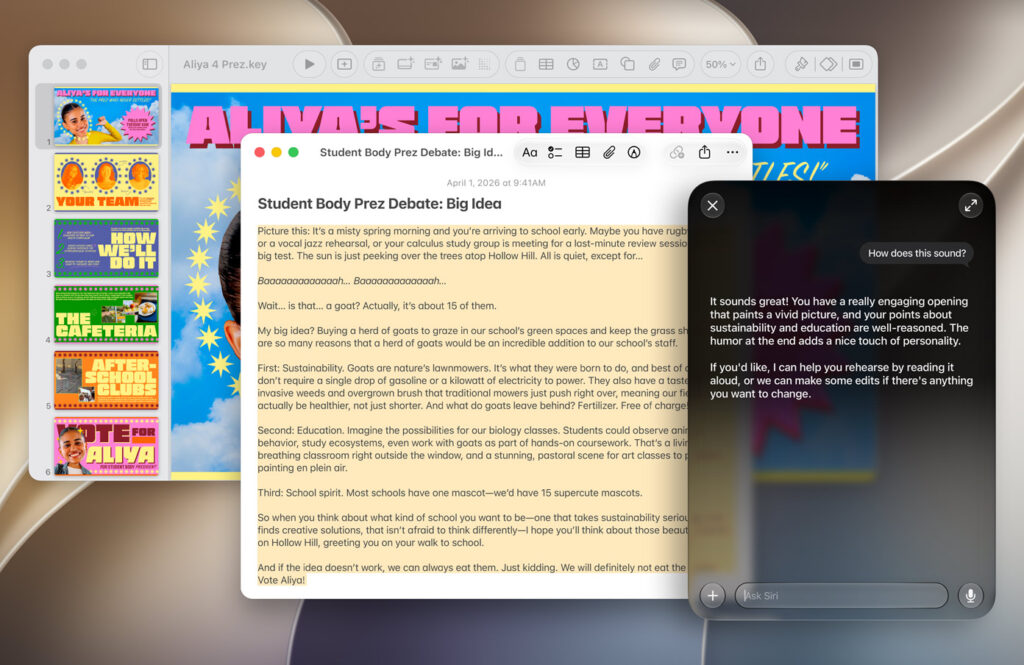
Apple has completely rebuilt Siri from the ground up. It’s now called Siri AI, and the new assistant gains full on-screen awareness. She reads what you’re looking at in real time. So if you receive a text with flight details, you can hold the side button, say “add this to my calendar and text the arrival time to mum” and Siri reads the screen, creates the event and sends the message. No copy-pasting. No switching apps. No opening a web search for a question you asked about a TV show. No more “I found some web results. I can show you if you ask again from your iPhone” (hopefully). Though it does make me wonder – are my existing HomePods now redundant?
With Google Gemini under the hood, Apple claims the new Siri will be more capable, conversational, and compatible with Visual Intelligence, and it will also be housed in a standalone app in addition to working across existing apps.
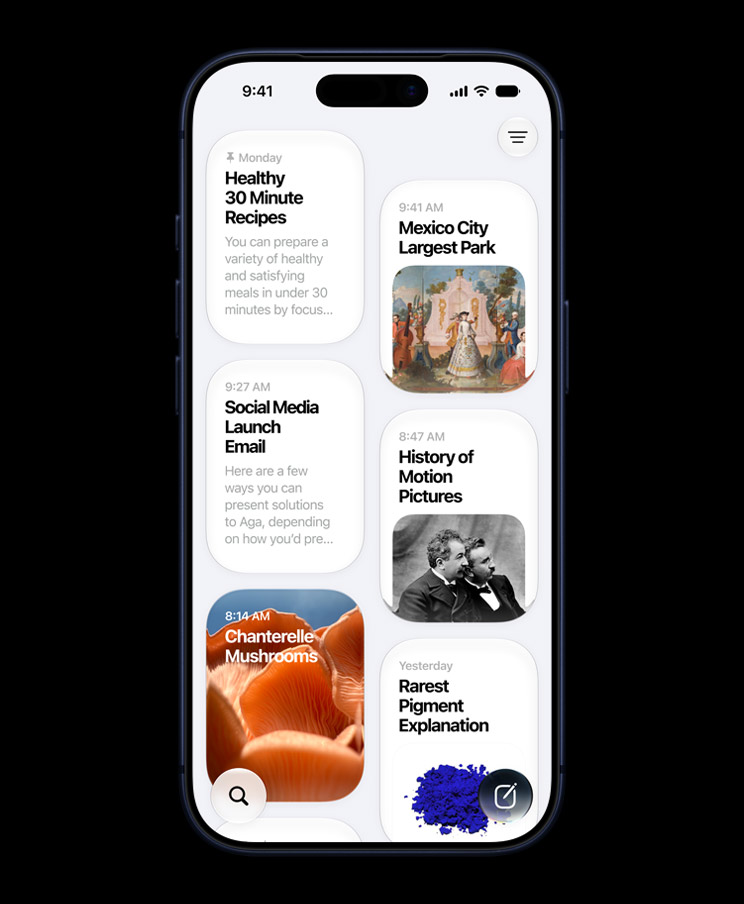
Now, I know some people will have feelings about Google Gemini powering Apple’s assistant. I’m not going to pretend that isn’t an interesting partnership given how fiercely private Apple has always positioned itself and Google’s notoriety for selling all of our data to the highest bidder. But as I said before, Apple’s strength has always been experience and integration rather than being first. If Gemini gives Siri the capabilities it needs to actually compete, I’m willing to set aside the raised eyebrow about the irony of it. What I care about is whether Siri can finally do the things I ask of it without sending me to a web search, ideally while still ensuring my personal data stays well away from Google’s data brokers.
Siri AI will launch as a beta in September 2026 in English, with more languages following, and will not be available on iPhone or iPad in the EU due to Apple’s ongoing dispute with regulators over the Digital Markets Act. That last part is genuinely frustrating and worth its own conversation, but for the purposes of this roundup I’ll just note that it’s an unfortunate situation for a lot of people.
There was one other notable Siri detail: the edge glow appears to be going. Siri is moving more into the Dynamic Island interface. I said it in my last post and I’ll say it again now: I’ll miss the rainbow glow. It was unnecessarily beautiful and I loved it. Six minutes after the update installs I will have moved on entirely, but emotionally I remain attached. Goodbye rainbow glowy Siri.
iOS 27: Quietly Impressive
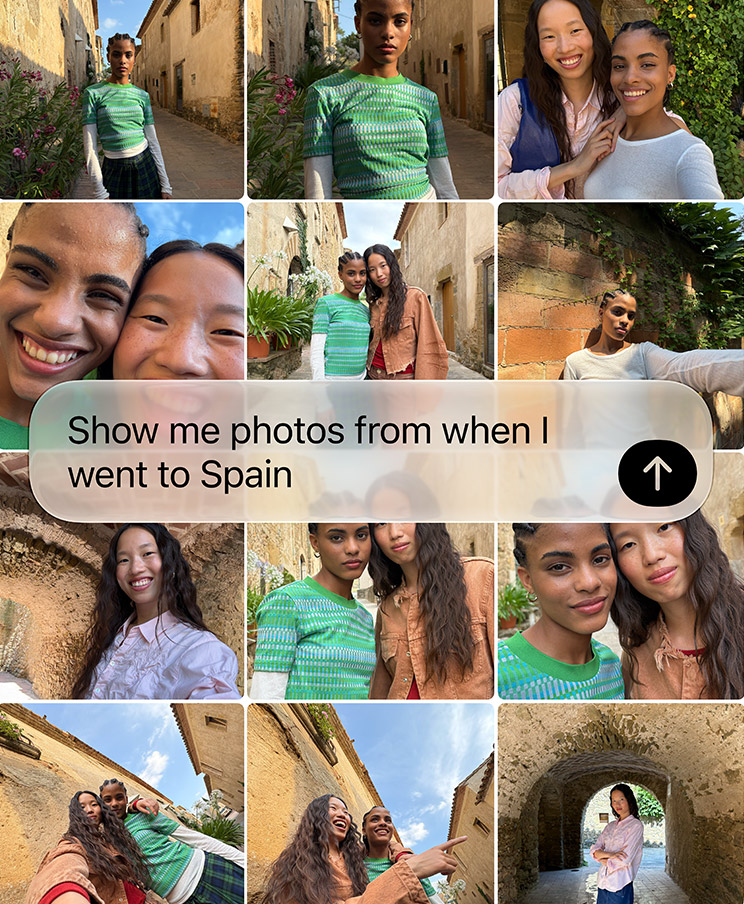
iOS 27 brings up to 30% faster app launches and supports every device that ran iOS 26, right back to the iPhone 11, with no devices cut from support. That last part is worth pausing on. No cuts. In an era where it feels like every update is an excuse to nudge people towards new hardware, keeping the iPhone 11 in the mix is a genuinely consumer-friendly decision. We won’t… talk about them cutting out five generations of Apple Watch models this time… I am sure lots of people will make their feelings known on that.
Apple Intelligence also picked up cross-app context awareness, tab management for Safari and one-tap password updating, all of which are the kinds of quality of life improvements that don’t make flashy headlines but quietly make your day better over time. Especially for those of you who have terrible online security practices and don’t keep your passwords strong and unique.
macOS Golden Gate
macOS Golden Gate drops Intel support for good, which has been coming for a while and marks a definitive end of an era. If you’re still on an Intel Mac, now is probably the moment to start thinking about an upgrade. The writing has been on the wall. I do feel that Apple’s continued support for Intel Macs, last in production in 2019, has been very solid. There are very few other companies still supporting hardware that is three years old, never mind seven.
Beyond the performance improvements I mentioned above, the macOS changes feel cohesive and purposeful this year. A more uniform toolbar is coming across apps, which sounds trivial until you realise how many years Apple fans have been mildly irritated by the inconsistency of it. These are the kinds of things that matter.
The Other Bits Worth Knowing
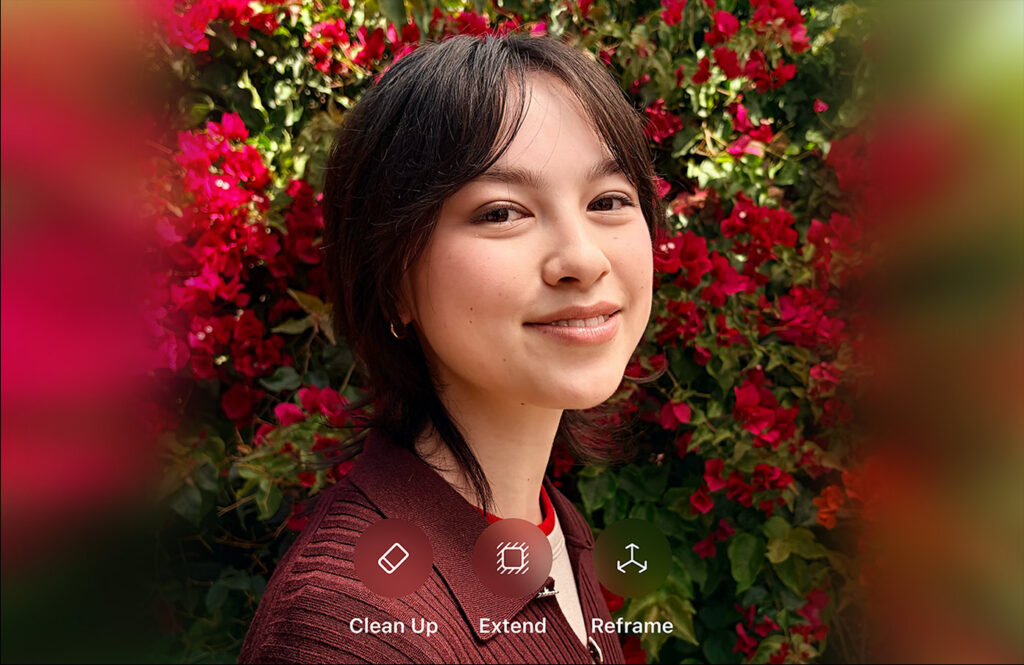
New photo adjustment features are here, too. Clean Up has received a significant upgrade (which considering how bad it was before, that doesn’t really require much effort) along with two new features, Spatial Extend and Spatial Reframe. These allow you to make an image that is fairly cropped bigger using spatial generation, and the ability to change the angle a photograph was taken at after it was taken. It does further remove some of the intentionality that I love about being in the moment with photography but at least it will support those who mainly use their phone as a way to keep memories or get likes on Instagram.
Parental controls received a major overhaul, including mandatory child accounts for under-13s, new website-approval tools for Safari and expanded Communication Safety. This is long overdue and I think most people, regardless of whether they have children, will recognise this as an important step.
AirPods are getting a custom three-band EQ via iPhone, which will be very welcome to anyone who has wanted just a little more control over how their audio sounds without going third party.
And yes: this was Tim Cook’s final WWDC as CEO, with John Ternus taking over on 1st September. That’s a significant moment for Apple, and one that deserves far more than a bullet point at the end of a roundup. I’ll write something more considered about that separately, because it warrants it. Tim Cook has truly shaped the Apple I know and grew up with, and I will never not be impressed by his legacy.
In summary
WWDC 2026 wasn’t the most exciting keynote Apple has ever delivered. It wasn’t supposed to be. It was Apple pausing, taking stock and actually addressing the things that needed addressing. Siri AI is real now. Liquid Glass has options. Performance is up. Intel is out. And Apple proved it can have a year where the answer to “what did they announce?” is “not much that’s new, but everything that mattered is better.”
That’s harder to do than it sounds. And in my opinion, it’s exactly what the platform needed.
Now please just let me slide that opacity bar all the way up.
Leave a Reply